


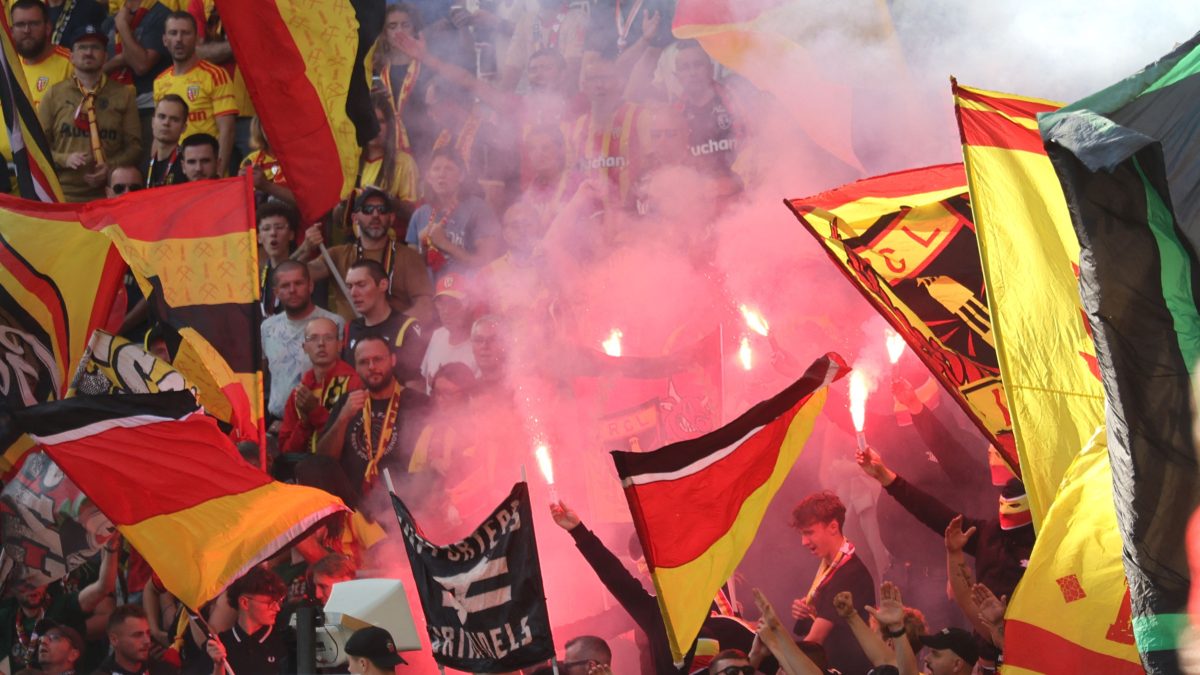
The UEFA‑imposed lens ban means RC Lens fans will not travel to Liverpool for the Champions League tie at Anfield, a decision announced after repeated pyrotechnic chaos involving the French club’s supporters. The sanction, confirmed on Tuesday, blocks the sale of tickets to travelling fans for the next two away games in the Champions League group stage and carries an €80,000 fine.
UEFA’s disciplinary committee acted swiftly following a tumultuous encounter with Club Brugge in Belgium, where flares were launched onto the pitch and toward opposing supporters, prompting a temporary halt to play. The governing body said the incident violated its strict rules on crowd behaviour and the use of pyrotechnics, adding that the club had already been on a probationary warning after similar problems during a September trip to Slavia Prague. The latest breach therefore triggered the harsher measure of a two‑match travel ban.
The ban will take effect for Lens’ upcoming fixtures in Germany and England. First, the French side will travel to RB Leipzig on 24 November without any of its “Sang et Or” faithful in the stadium. The second affected match is the high‑profile showdown at Anfield on 27 January, where Liverpool will host Lens in front of an all‑red home crowd. A third potential ban remains on hold as part of a two‑year probation, serving as a final warning to the club’s fan base.
For Liverpool, the ruling guarantees a completely home‑dominant atmosphere for the January game. The Reds, under Andoni Iraola, sit third in the Champions League group after three wins, holding a perfect record and eyeing automatic qualification for the knockout rounds. The absence of travelling supporters from Lens is expected to reinforce Liverpool’s home advantage, a factor that could prove decisive as the season progresses toward its decisive stages.
Lens, meanwhile, find themselves juggling on‑field struggles and off‑field penalties. After a 3‑0 loss to Club Brugge, the French club sits at the bottom of the group with just three points from three matches. The lack of vocal support in Leipzig and Liverpool adds another hurdle to a campaign that already appears precarious. Club officials have previously taken internal steps, such as banning their own fans from a domestic derby against Lille, indicating a willingness to curb disorder but also highlighting the persistent nature of the problem.
UEFA’s statement emphasized that the fine of €80,000 covers “the lighting and throwing of pyrotechnics and acts of damage caused by the visiting supporters.” The disciplinary arm noted that the sanction aligns with its broader policy to deter crowd disturbances that threaten safety and the integrity of matches. By restricting ticket sales for away fans, UEFA aims to limit the risk of similar incidents in future fixtures, especially as the Champions League group stage moves into the winter months when stadiums become more packed and tensions run higher.
The decision also reflects UEFA’s growing intolerance for flare use, which has plagued several European competitions in recent seasons. Organisers have repeatedly warned clubs that repeated violations will lead to stricter penalties, ranging from fines to stadium closures. Lens now faces a clear message: any further breach could see more severe consequences, potentially affecting future European participation.
Fans of RC Lens expressed disappointment on social media, lamenting the loss of the chance to support their team on such prominent stages. While some called for stricter internal controls, others argued that the ban punishes the broader fan community for the actions of a few. In Liverpool, supporters welcomed the news, anticipating an even louder Anfield atmosphere as the home side prepares for the January tie. The club’s press office confirmed that ticket allocation for the match will be fully reserved for Liverpool supporters and neutral spectators, ensuring compliance with UEFA’s directive.
Club officials from Lens have not issued a detailed comment beyond acknowledging the sanction. However, the hierarchy’s earlier decision to ban its own supporters from the Lille derby suggests that the administration may consider further internal measures to prevent recurrence. The French side’s on‑field performance will now be tested without the usual boost of travelling fans, a factor that could influence their ability to climb out of the group’s relegation zone.
Looking ahead, the upcoming Leipzig clash will be the first test of the sanction’s impact. Should Lens manage a respectable result in Germany, the absence of fans may be less consequential. Conversely, a poor showing could underline the importance of vocal support in high‑pressure environments. The January Anfield fixture will then become a litmus test for both clubs: Liverpool will aim to capitalize on a full‑house advantage, while Lens will need to rely on tactical discipline and resilience to offset the silence of their travelling base.
UEFA has indicated that compliance with the ban will be monitored closely, and any breach of the terms could trigger immediate enforcement of the deferred third ban. Both clubs now face a period of heightened scrutiny as the Champions League group stage approaches its climax, with the lens ban serving as a stark reminder of the governing body’s resolve to keep European football safe and orderly.


Comments