


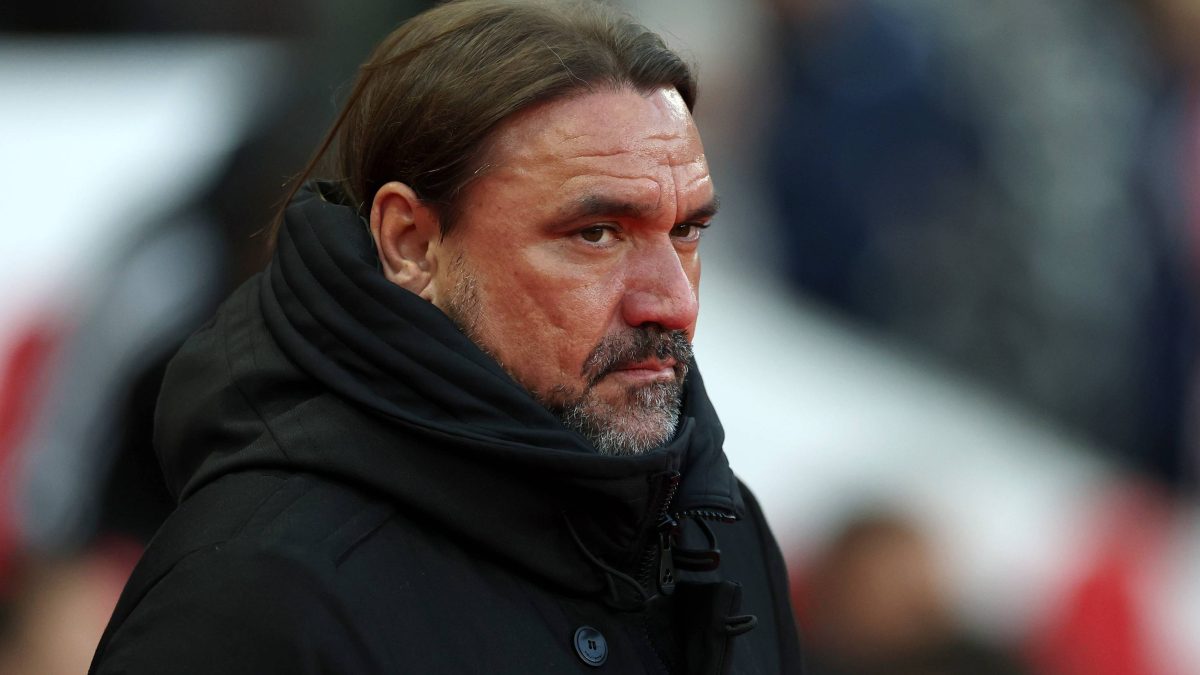
Daniel Farke, Leeds United’s head coach, gave a clear picture of why the side could not field centre‑back Nico Elvedi in the 0‑0 Leeds draw with Sunderland on Tuesday. The Swiss defender fell ill overnight and was forced to travel back, leaving the visitors already short of options after Joe Rodon’s earlier injury.
Farke addressed the press after the match, confirming that Elvedi “missed the game overnight due to illness and felt unwell. He had to travel back.” The timing of the withdrawal, just hours before kickoff, meant Leeds had to adjust their back line at the last minute. With Rodon already sidelined, the manager admitted the squad was “short of options at the back ahead of a difficult afternoon.” The lack of a full‑strength defence forced the coach to rely on the remaining centre‑backs to keep a compact shape.
The match took place at the Stadium of Light under blustery, rain‑soaked conditions that made the ball’s trajectory unpredictable. Farke noted that “weather conditions where you could hardly predict the curve of the ball” turned the game into a test of grit rather than technical flair. He added that “it was one of those days where you have to accept that you can’t shine that much football‑wise.” Such comments reflect the reality of many Premier League fixtures in the autumn months, when the British climate often forces teams to adapt to slick pitches and strong gusts.
Despite the defensive limitations, the Leeds manager praised his players for digging in and “grinding out a result.” He highlighted the collective effort to win second balls and “show steel,” describing the performance as a disciplined, hard‑working display. The midfield and attacking unit pressed aggressively, recovered possession, and tried to create openings, even if the conditions and a lack of attacking outlet from the back line kept the match deadlocked.
Sunderland, the hosts, faced a similar struggle. Their own attempts to impose a rhythm were hampered by the rain‑slicked surface and the wind, which made forward passes difficult to control. Both sides produced a handful of half‑chances, but none materialised into a clear scoring opportunity. The result therefore mirrored the overall tone of the afternoon, a tightly contested, low‑scoring encounter where defensive caution outweighed creative ambition.
For Leeds, the point added to a series of recent draws that have characterised their Premier League campaign. The club’s recent fixtures have often been decided by fine margins, with the team finding it hard to break the deadlock against well‑organised opponents. Fans have expressed a mixture of appreciation for the defensive solidity shown under difficult circumstances and a desire for a more adventurous approach up front. The manager’s remarks about “digging in” suggest that, at least for the moment, Leeds may prioritise stability while they work on re‑introducing a more proactive attacking style.
Looking ahead, Farke indicated that the squad will regroup to address the fitness concerns that have limited selection. He expects Elvedi’s health to improve and hopes to have the defender back for the next league challenge. The manager also hinted that training sessions will focus on adapting to adverse weather, a factor that could prove decisive in future fixtures at venues known for harsh conditions, such as the north‑east of England or the Midlands during the winter months.
The next Premier League test for Leeds United will provide an opportunity to translate the “steel” shown on a rainy afternoon into a more balanced performance that includes tangible attacking moments. If the team can retain the defensive resilience displayed against Sunderland while unlocking a sharper edge in the final third, they will be better placed to collect three points rather than settle for another stalemate. The upcoming match will therefore be a crucial barometer for whether Leeds can turn a defensive foundation into winning football as the season progresses.



Comments